
cries and whispers

Music keeps dragging me on this long, mildly inconvenient journey of self-discovery. The older I get and the more albums I hear, the more clearly I understand my limits, my tastes, and the things from which I instinctively recoil. I have also come to accept that what I love the most often resides outside of my verbal limitations, and maybe that inability to explain is part of the appeal — liminality, confusion, the feeling of standing in a doorway and not knowing which room to enter. I enjoy too much, across many genres, and ranking it all is becoming harder every year. So this time, I’m not going to try, even though there are two albums here that undeniably hit me harder than the rest.
This list doesn’t assume you’ve heard any of these records. It assumes something far more obnoxious: that you might be interested in why they opened small, strange portals inside my brain and refused to close them. Halfway through the year, I didn’t think I’d even scrape together ten albums worth writing about. In hindsight, this was just me being my usual grumpy self, briefly closed for emotional maintenance and acting like that is a personality trait. Something shifted over the summer. Maybe my joie de vivre was waiting for enough sunlight to hatch. Writing these blurbs also meant leaving out one yet unreleased (Ulver) as well as a handful of albums that may well become future ten-out-of-tens (The Infinity Ring, Dawnwalker, Lastima, Psychonaut, Paradise Lost, Uuliata Digir…), because what can you really say, sometimes, except “this rips”. Here’s hoping it doesn’t take me this long to locate my joy again next year.
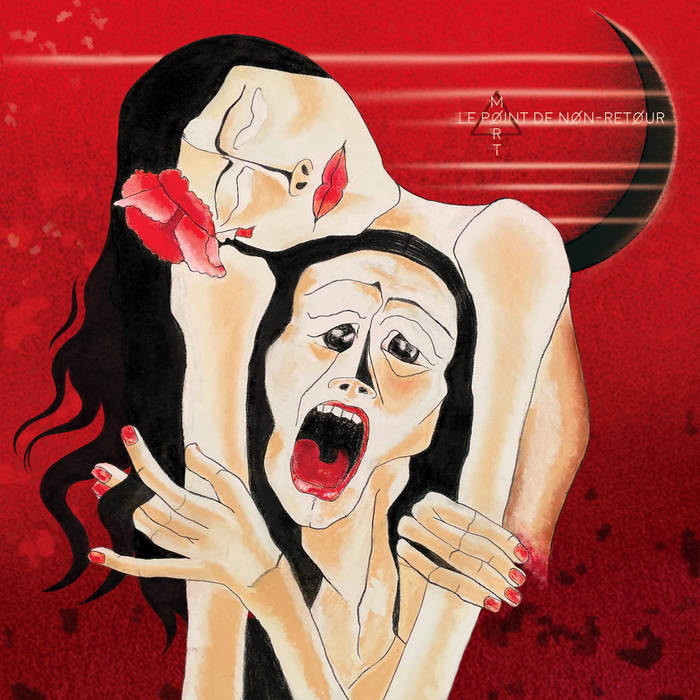
Le point de non-retour gripped me immediately with no subtlety about why. The female vocal performance is the fulcrum here, cutting through the music’s architecture from the first moments as the organising force behind the record. Clean passages, shrieks, screams, Point Mort have it all on display. Post hardcore, punk, post and black metal, genres swerve constantly and somehow this doesn’t sound scattered. It’s unhinged in presentation, but there is also an organic lightness beneath, something that keeps the album breathing rather than bludgeoning. This is a powerhouse of a record: tension and release conspire, sometimes working together, sometimes playing solo, always leaving me on edge. I have a feeling I’m not getting off this chaotic joyride anytime soon.
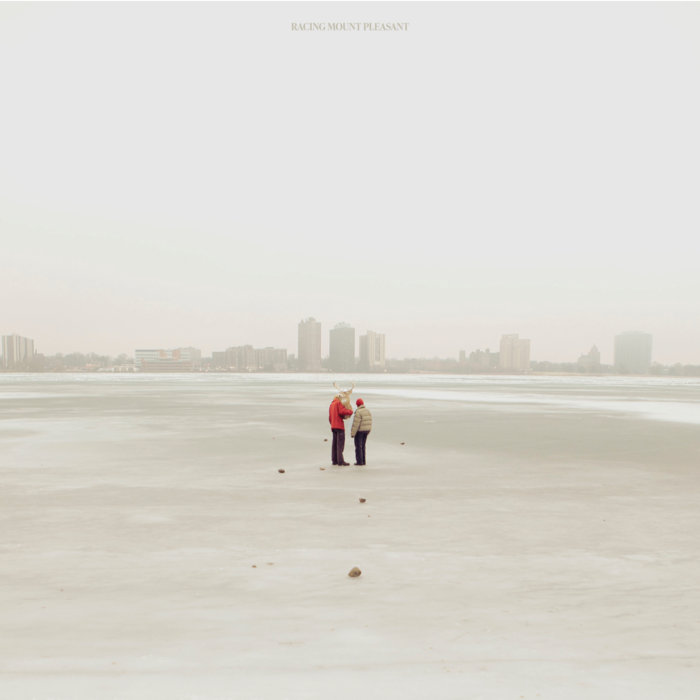
I don’t usually mess with emo much (too many feelings), until you add midwest elements in the mix, which is when I’m tempted to go all in. This one though is more post rock by way of restrained crescendos: the songs here don’t shatter my heart but open it up enough to let in all sorts of memories and fantasies. Maybe it’s the strings. Maybe it’s the horns. Maybe the lyrics are slipping past my defences. Or maybe it’s just a really, really well put-together album. This is the ultimate winter record, made by a band whose name I keep forgetting, which somehow feels oddly appropriate. Warm, comforting production, orchestral and intimate, with vocals that remind me of Cursive, this feels intrinsically me, which is how I know it’ll age well. It’s been a long time since I’ve last heard an album this romantic. Put on the fire. Light a candle. Cuddle up in your favourite blankie. Grab a hot chocolate and maybe let a few tears fall. Salted chocolate is all the rage. I fall back into you All my love is you Slow it down, slow it down, slow it down
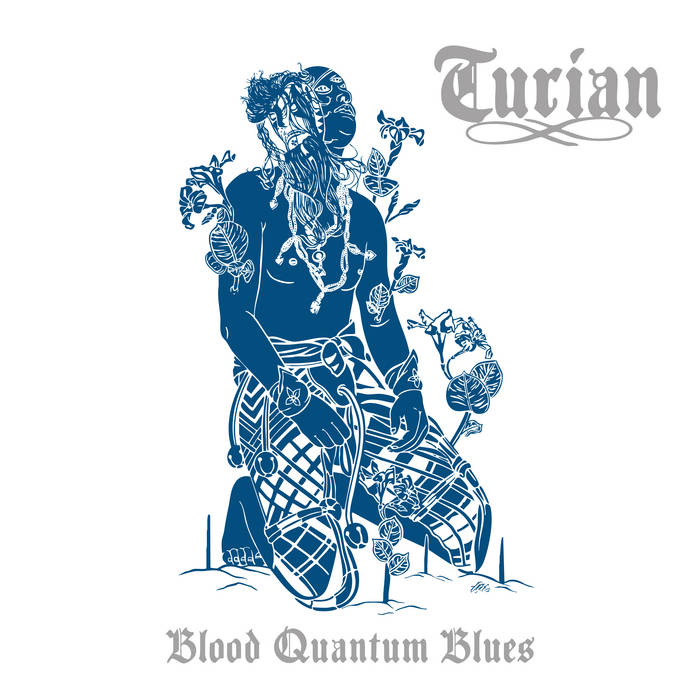
Blood Quantum Blues sounds like Turian duct-taped every heavy genre I love into one, then presented it into a carefully wrapped 38-minute package. Crust filth, sludge weight, hardcore rage, proggy structures, punk hooks, rogue electronics and blast beats pile up, then why doesn’t anything spill? On paper, this should not work. This chaos did not happen by accident, it’s a controlled burn and a choreographed violence that keeps escalating and never collapses. It’s as if the band are stress testing the form, pushing and pushing until something new and exciting pokes through. In the end, I got a playfully furious album that I kept returning to time and time again this year. Criminally slept on, this is hardcore that brims with ideas most bands wouldn’t dare attempt, let alone pull off. Wake up.

While writing this, I briefly asked Google "why are Turnstile so good" and lost interest in the answers almost immediately, which feels like the appropriate response. NEVER ENOUGH doesn’t care about my thoughts and theories, it just wants me jumping. This album hits like a Skittles sugar rush. I get to sing along, grin stupidly, and feel instant joy without the need to overthink. I love how effortless it feels on the surface, while secretly crammed with influence. There’s a sincerity here that can’t be faked, and it detonates live. I’ve never been in a room where nobody stops to breathe before: thousands of people shouting, dancing, collectively forgetting their problems, and I think creating this sense of community and friendly chaos is this album’s true strength. In a live music world increasingly devoid of connection and joy, what Turnstile bring to the party feels borderline subversive.
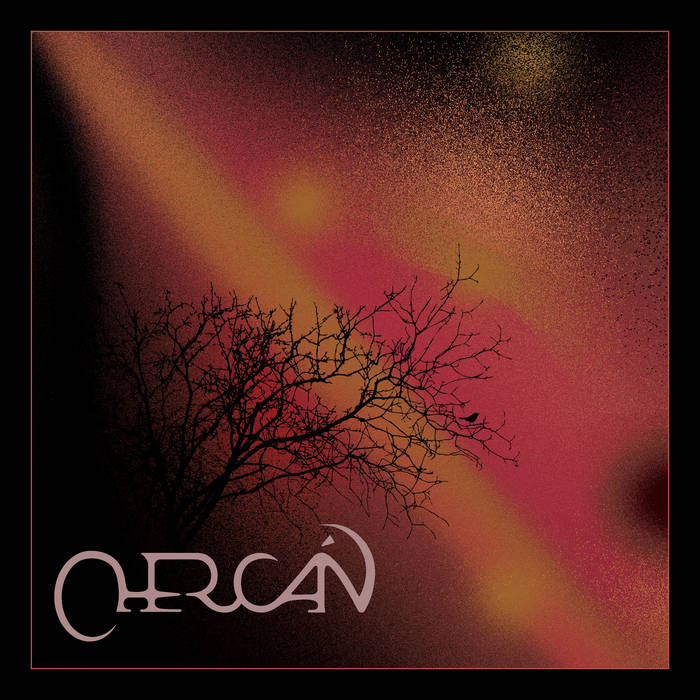
This has been a stellar year for Chilean music, but for me, Chercán take the cake. Three minutes in and it’s clear this debut album means business. Saxophone wanders in, melodies swoop you off your feet, while intricate arrangements are shown off with incredible precision. It’s the fun kind of prog. Think The Mars Volta if they slept, hydrated, and took their meds. Every twist here sounds intentional, and every flourish is justified. Although wildly alive, Chercán has been strangely underdiscussed, yet easily one of the most thrilling prog albums I’ve heard this year.
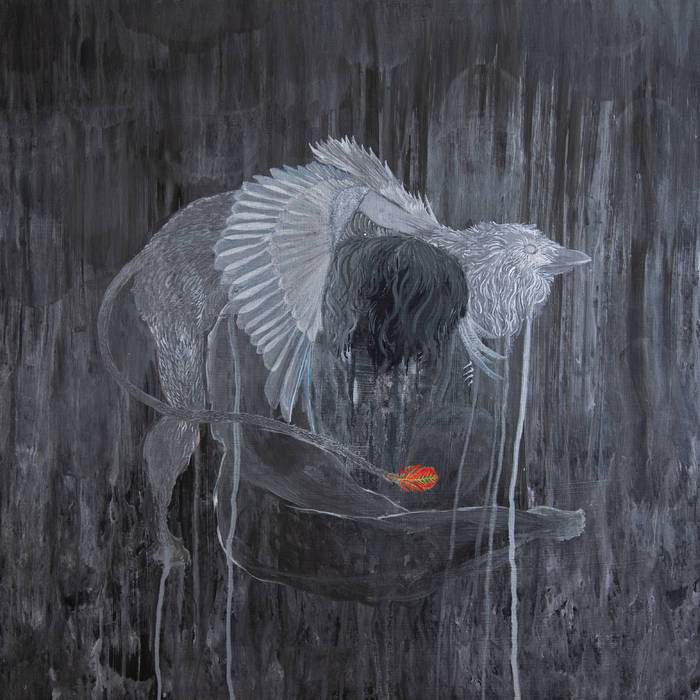
A new Kayo Dot was never going to arrive gently. I loved it from the start, and still found myself whispering “what else do you want from me”, as if attention and devotion were a debt perpetually negotiated. I had it on repeat during a long flight, confronting it across multiple states of consciousness, convincing myself it was written for those half unmoored, half awake times. A sealed room breached by a single blade of light, each floating dust particle heavy with memory. Footsteps through a misty forest where direction dissolves. Faintly ominous, dread blooms. There’s unease, and a slow, Tarkovsky’s Stalker-like atmosphere that unreels in my mind with the same exhaustion and gravity. Every Rock... sounds ancient and oddly intimate, as if I’ve always known it. Perhaps that’s its power. Or maybe it’s what happens when you’ve allowed Kayo Dot to paint your internal landscape for so many years.
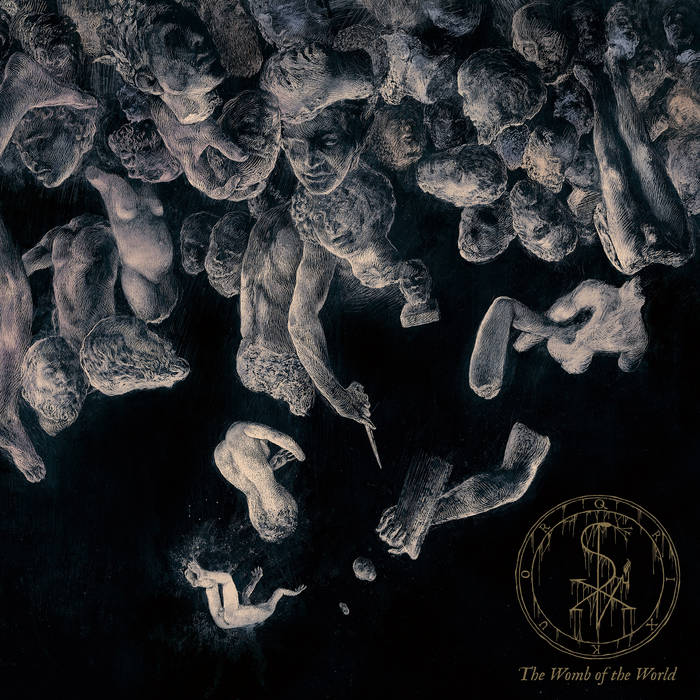
This record got locked in its end of year list spot within the first five minutes, like a lusty leech finding skin in dark waters and deciding that’s where it belongs. The Womb of the World is maximalist and breathing, a bit like a glutinous beast dressed for the opera, crawling out of an underground cathedral where the walls sweat and the frankincense is rot. Describing it as avant black/death meal barely scratches its surface. Strings coil through riffs like exposed nerves, the production pulses, and each one of the four songs is stuffed with too many organs, all functioning at once. It’s pummeling, theatrical, obsessively detailed and, at times, suffocating. I can’t think of another extreme metal album this year that sounds so grotesquely elegant and lavish, or this determined to seduce you while dragging you under.
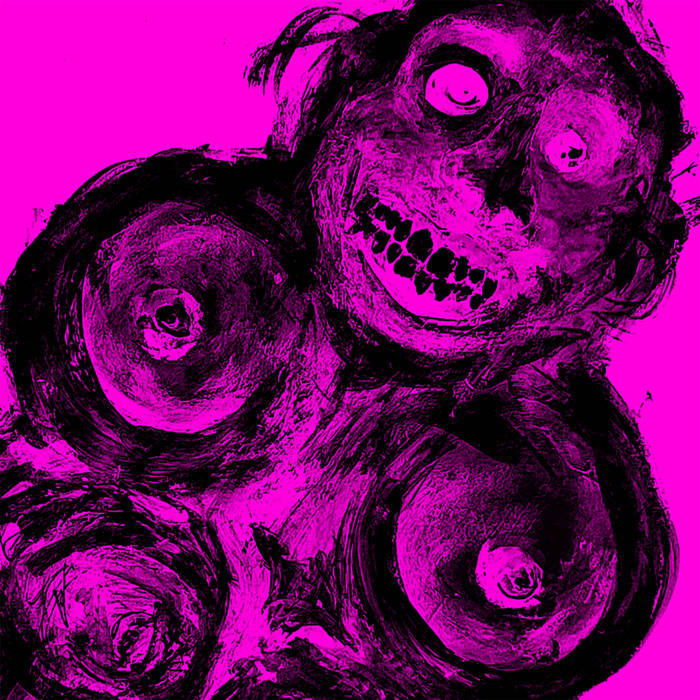
Camgirl must be music engineered by someone who knows exactly what is wrong with the world and decided to make it danceable. Crippling Alcoholism take one of the bleakest subject matters (commodified intimacy) and swaddle it in hooks, landing squarely in a rather uncomfortable sweet spot. Here I am, blasting "LADIES NIGHT" in my kitchen, guilt-spiralling while doing dishes like this is normal behaviour. Noise grinds against an industrial pulse, goth drama emerges, and everything is delivered with a smirk that never hides the sadness underneath. This album is visceral, but I never felt it indulgent; it’s confrontational, yet it rushed into my bloodstream from the first listen (on a train, sometime around 5am). If someone who hates partying rewrote a Chuck Palahniuk novel as a club record, this would be it. It’s infectious, unsettling , and frankly a tad horrifying in how good it feels. In the end I smile while staring into the void, newly made complicit. Was this the whole point? Whether I’m clinically deranged or this is pure catchy trauma remains an open case.
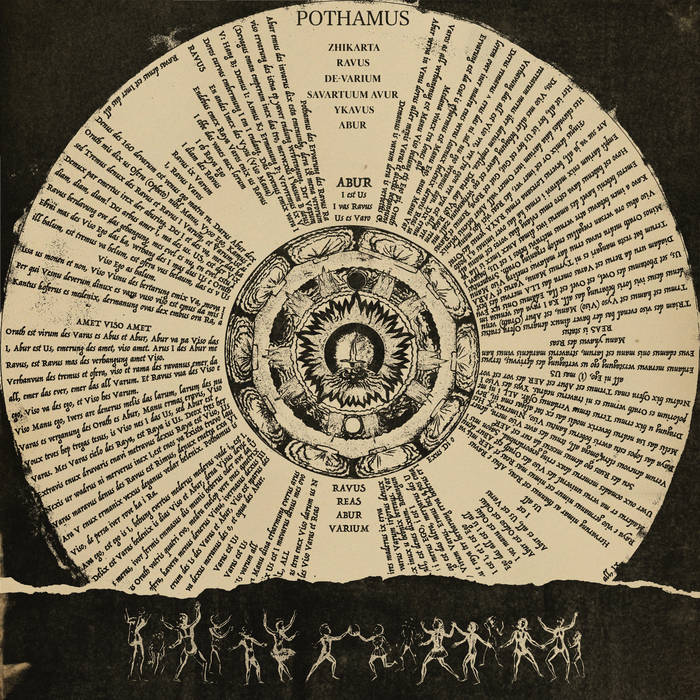
I’m extremely vulnerable to music that attaches itself to a moment. Once a record becomes the soundtrack to a specific experience, my appreciation turns unwavering. Abur is welded to Roadburn in my brain. Hearing it in full there has become a core memory: I can close my eyes and I’m back in that room, the sound filling the space while my thoughts unspool in real time (largely variations of “I wish I had the camera with me”). That kind of imprint is permanent. That said, Abur isn’t coasting on sentimentality. In the thick mire of sludgy post metal, Pothamus are cut from a different fog. The music has this low oxygen quality, the kind that somehow leaks into my lungs before I realise I was holding my breath. It is drifting rather than moving, hypnotic and subtly overwhelming, visceral without being blunt. It literally makes my bones vibrate, a trick I've not experienced with any other record in 2025.
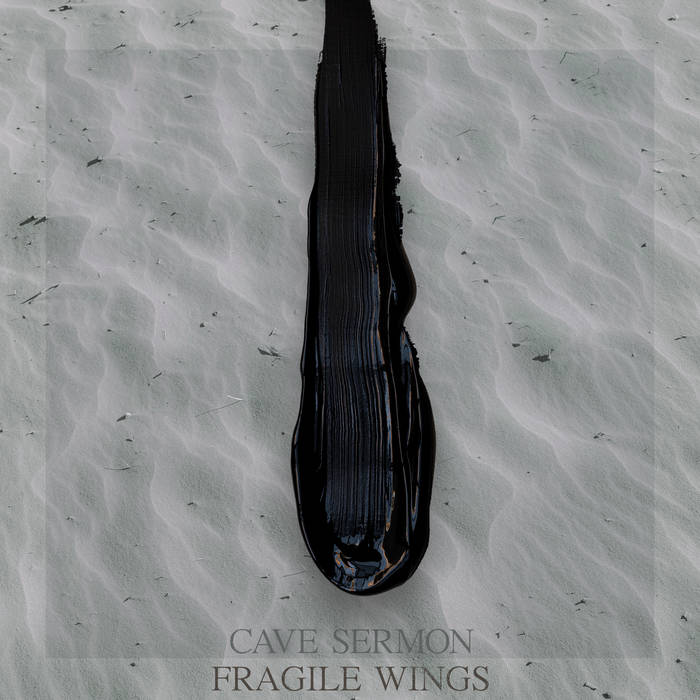
This album lives rent free in my head and keeps changing things around for funsies. Fragile Wings is proggy post metal with insanely tight songwriting and hooks that sneak up on me like, wait, why am I humming this again? The guitar work here is what truly shines: melodic and serrated, it is constantly doing something interesting. But the real flex is that this is a one-person project. Charlie Park embodies one of my favourite qualities in a musician — visible progress. Where Divine Laughter felt raw, Fragile Wings sinks hard into mood and loses zero teeth. It folds a variety of genres into something that actually flows, is layered and uncluttered, has emotional depth without feeling melodramatic. This is a genuinely creative, wildly memorable, and kind of infuriating in its quality work of musical art. How is this just one person?
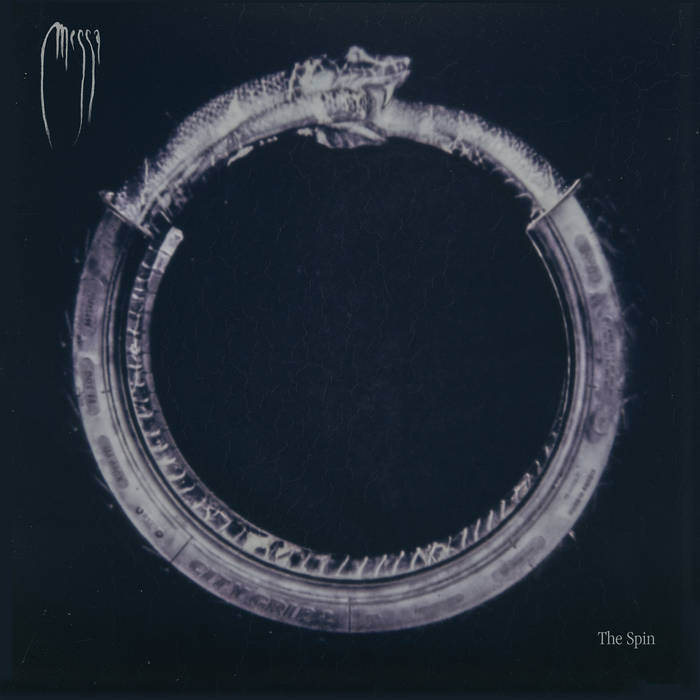
Every year I tend to hang on to a “comfort” album, and for 2025 The Spin was the one. I’ve played it constantly during moments of sadness (don’t trust my last.fm, I've actually been fine), and it keeps revealing new layers the more time I give it. Lately I swear I’ve been hearing echoes of Fabio Frizzi drifting though its shadows. Everything about this record feels dreamy, classy, deeply elegant. Some days I only need to think about certain solos to get goosebumps, that’s how deeply burrowed under my skin it is. Messa occupy a space truly their own, with their deliberate and powerful softness. I know The Spin ruffled a few critical feathers, but for some of us, that tenderness is what makes it such a special album.
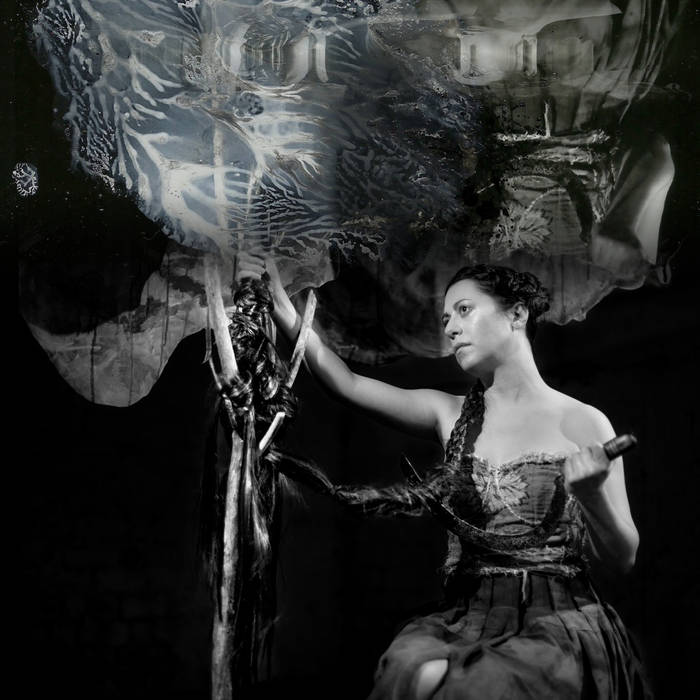
I’ve written about The Distaff enough that I don’t feel the need to start dissecting it again. When it released in February, I knew with certainty that nothing else this year would touch me in the same way, and I was not wrong. This may be music I love, but it’s also a place I return to, and every time I press play I think I understand myself a little bit more. Maud the Moth opens a door to something I keep carefully locked away: a body, a lineage, a self shaped by endurance and generational inheritance. I don’t reach easily for words like “woman” when I talk about myself. In fact, I rarely claim I am one. But this album speaks to me in older languages. It speaks in ache, and grace, and ritual, and blood memory. It makes me think of ancestry not as history but as something that lives in breath and muscle tissue. I think The Distaff is gently stitching my identity back together. The story is still being woven, but for the time this plays, my body feels less distant, more inhabited, unmistakably my own.
What does a masterpiece sound like? Perhaps it sounds like watching your core reflected in a mirror and then seeing that mirror shatter into tiny pieces. Maybe it sounds like the frantic, exasperated attempt to glue it all back together, only to realise that nothing was ever what it seemed. Hands shaking, fingers cut, blood smudged on the reflection, it’s now impossible to tell what was there and what was re-created. The question is no longer how to fix it, but whether this fractured image might be more honest than the original. I don’t know what it is that makes Lonely People with Power feel so complete. Every time I spin it, I abandon myself, thoughts leave my mind, and I crack wide open. It’s a deeply complex and endlessly fascinating album, one that wraps itself around my entire body and seems to instinctively know when to tighten its grip and when to loosen the pressure. Through all this tension, fracture, release, Deafheaven helped rebuild me in ways I never thought were possible in 2025. I just needed to let it break me first.
